Tracy Police Department’s homeless outreach program is changing how the city handles the homelessness crisis.
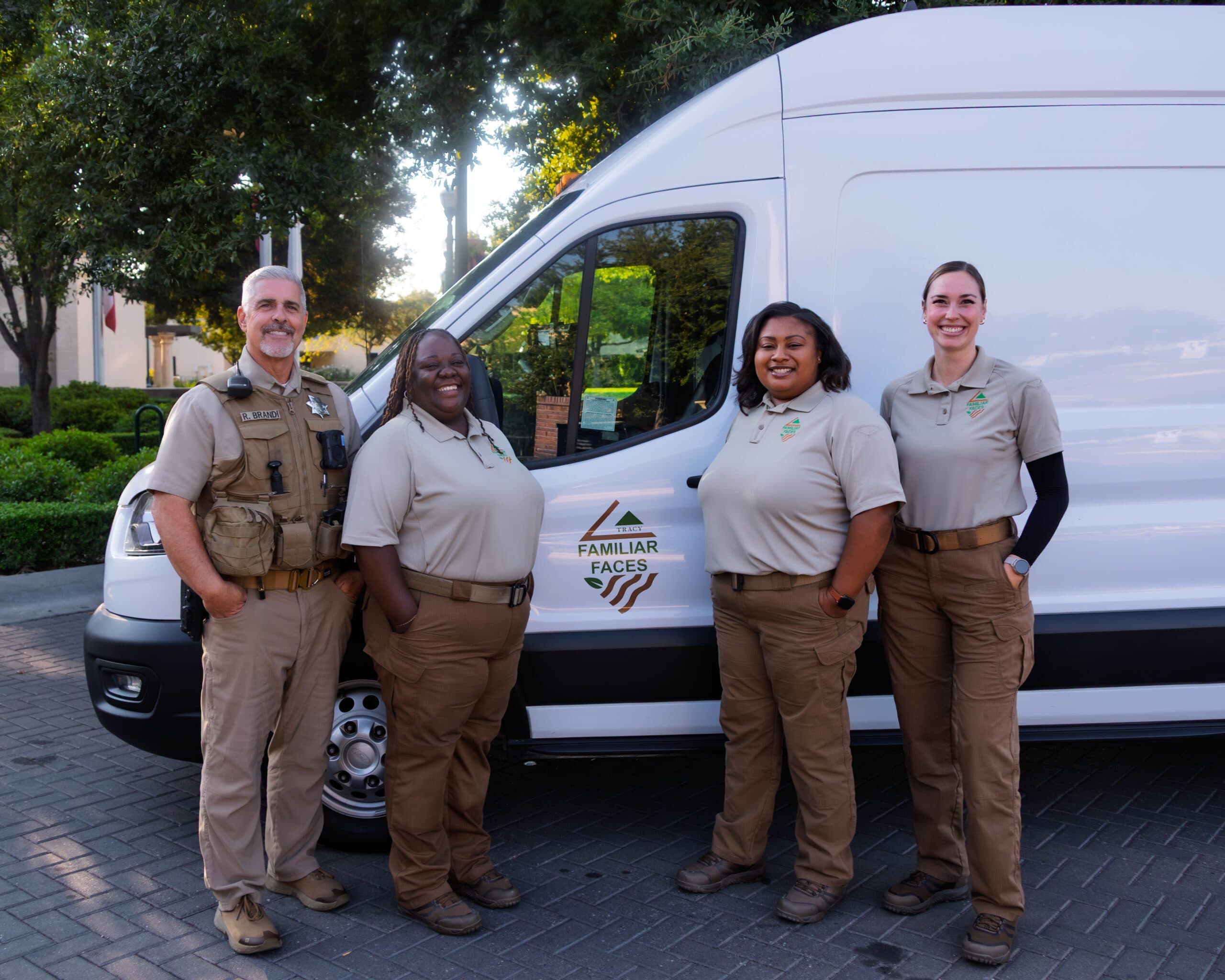
With unsheltered homelessness down 47% since 2024 across Northern California’s San Joaquin County, the city of Tracy is seeing the results of a different approach to public safety. Through the Tracy Police Department's Familiar Faces Program, a dedicated team of officers and outreach workers work daily in the field to provide unhoused individuals with both immediate and long-term support. Launched in late 2022, the Familiar Faces Program operates directly out of the Tracy Police Department. Rather than relying on traditional police enforcement, the program helps participants address immediate needs such as food, shelter, and healthcare. By making these services readily accessible to the community, this program has established a reputation for itself as a helping hand for those facing homelessness today.
A Program Born Out of the Pandemic
The origins of Familiar Faces trace back to the COVID-19 pandemic. As homeless encampments grew across Tracy, city officials grouped individuals at a single site for isolation due to the pandemic. Soon, an encampment at El Pescadero Park, located directly behind North Elementary School, swelled to over 200 tents. Recognizing that traditional enforcement could not address the root causes of the crisis, Tracy’s police chief took a community outreach model being used in Olympia, Washington, and adapted it to fit Tracy’s needs.
"We interact, get to know, and build a rapport with those that are unhoused or at risk of being unhoused and try to find them resources that meet their specific needs,” explains Ayesha Nic-Gongora, head of Tracy PD’s Familiar Faces Program. Operating six days a week, the team receives referrals through four main pathways: daily in-person outreach at frequent gathering spots, a direct hotline for self-referrals, contact notes from patrol officers, and dispatch calls rerouted from concerned neighbors and service providers.
By the Numbers
Local efforts in Tracy reflect a dramatic shift in homelessness response strategies across San Joaquin County. They are yielding significant results, according to the 2026 San Joaquin County Point-in-Time (PIT) Count Report. Across San Joaquin County, overall homelessness dropped 30% between 2024 and 2026, falling from 4,732 individuals down to 3,306. Even more striking was the 47% decrease in unsheltered homelessness. Meanwhile, the county's sheltered population expanded to 1,468 individuals, with around 1,300 new permanent housing units. Beyond reducing dispatch calls to the emergency room and fire department, the program has successfully managed to reduce encampments in the city. "When there [were] over 200 tents at El Pescadero Park, of course, that was an encampment," Nic-Gongora adds. "And we were able to disperse that encampment through family reunification, shelter placements, and housing placements. So that encampment is no more."
Forming Connections Across the Community
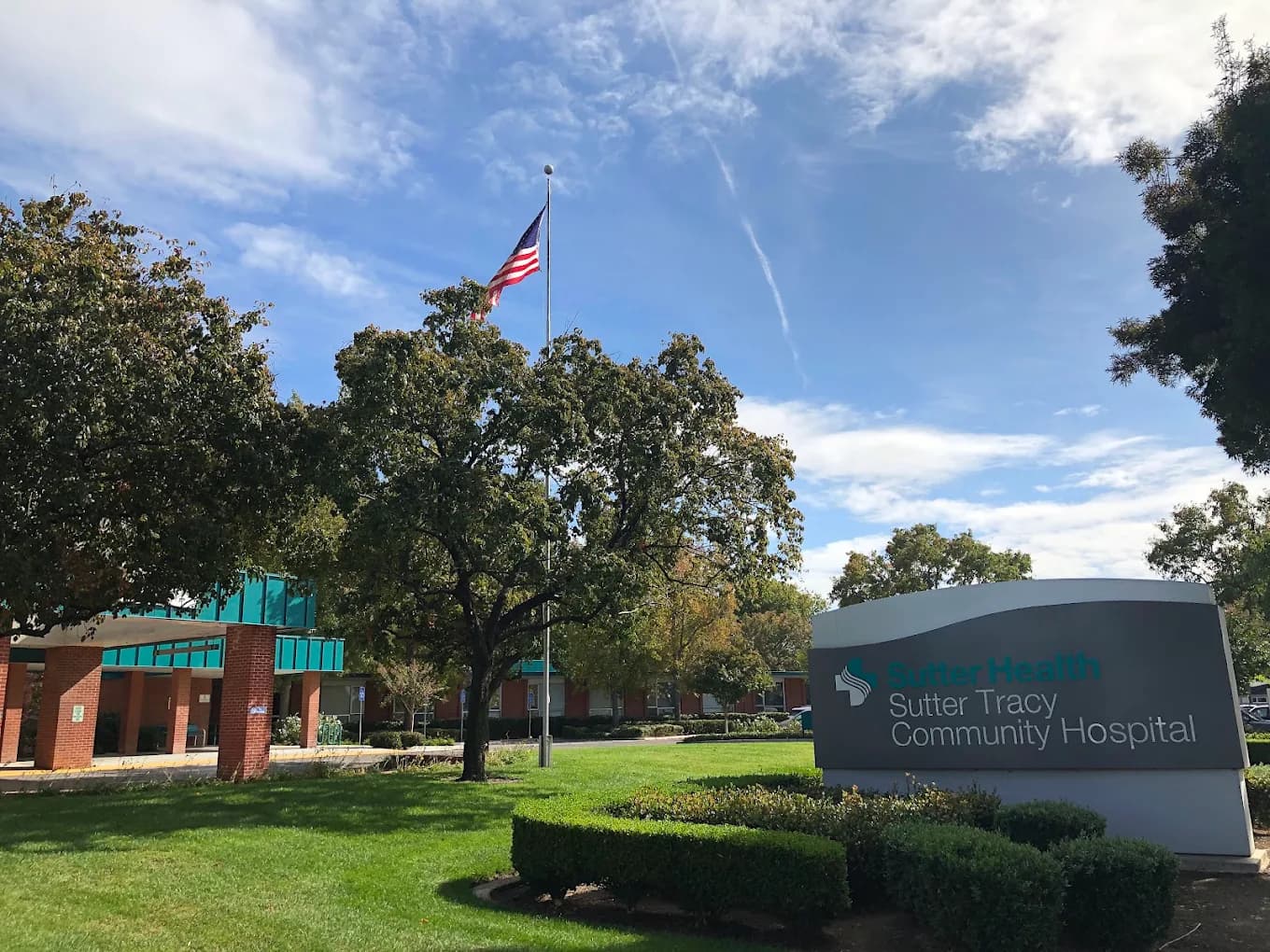
Familiar Faces often directs homeless individuals to local non-profits to provide them with social services they cannot. Front and center is the Tracy Community Connections Center (TCCC), a non-profit organization founded 12 years ago, now under executive director and CEO Carrie Grover. Grover emphasizes that TCCC works with the Familiar Faces team every single day. When police outreach workers encounter individuals experiencing homelessness during field patrols, they often connect them with TCCC for social services and mental health case management. TCCC primarily provides immediate services, such as shower and laundry trailers, but they also have street outreach teams, provide rental assistance, and offer case management services to those in need. TCCC also maintains a direct partnership with local hospital branch Sutter Health, where hospital staff contact the center first before discharging unhoused patients who would otherwise have nowhere to go. In addition to their partnership with Sutter, they work with numerous local agencies citywide, such as Tracy Interfaith Ministries. Grover notes that homeless prevention is far cheaper than attempting to rehouse someone after they have already lost their home. TCCC often works with Familiar Faces to provide family reunification services to homeless individuals. Familiar Faces verifies that there is a family willing to receive the individual in another state, and the TCCC provides them with a ticket there. “Housing looks different for everyone, but what everyone still likes is to be able to take a shower and…eat the food that they want to eat, and have the comfort of being able to afford those things,” says Nic-Gongora.
Addressing Chronic Homelessness & “Trimorbidity”
As large encampments vanish, outreach workers are left managing those who are in a state of chronic homelessness – potentially experiencing "trimorbidity," as Nic-Gongora puts it "That means that they are chronic in homelessness, substance use, and mental health." Addressing trimorbidity requires patience, resources, and multi-team operations like Operation Helping Hands, which brings mobile medical units and clinicians where they are needed. Nic-Gongora recalls a young woman she met during the program's inception in November 2022 who suffered from severe schizophrenia, chronic drug use, and exploitation while living outdoors behind North Elementary School. Over two years, Familiar Faces maintained consistent contact while meticulously tracking every incident call, citation, and 5150 mental health hold, a form of involuntary detainment for the mentally ill. Using this documentation, the team successfully advocated for her entry into CARE Court — a county diversion program that provides court-ordered treatment instead of incarceration. Through the program, the woman began receiving a prescribed psychiatric injection, moved into temporary hotel housing, and eventually secured her own apartment. "From where she came from as someone who was malnourished, being trafficked, chronic drug use, and oftentimes seeming out of her mind to being this productive member of society…and being able to function was something that I'll always remember," Nic-Gongora shares.
Still a Long Way to Go
One of the main obstacles when it comes to addressing homelessness is the stigma surrounding it. Many residents often misunderstand what exactly it means to be homeless. "Every homeless person does not do drugs," Nic-Gongora emphasized, noting that acute childhood trauma, medical debt, or job loss frequently drive individuals into homelessness. Furthermore, Grover notes that many individuals who reach out to TCCC often only do so once, disproving the notion that unhoused individuals remain dependent on social services. “They’re so grateful for help, and they just need a little bit of it,” Grover emphasizes. Looking ahead, Nic-Gongora advocates strongly for long-term support systems. "I think that there should be no housing offered without supportive services. So supportive housing is one thing that... is always needed," she stressed. "Whether it's making sure that they are staying in their substance use program, that they're staying in care with their medical services... ongoing case management is what keeps people safe and housed." Ultimately, both city outreach workers and non-profit leaders have the same message to share with the public. As Nic-Gongora put it: "We have to remember that our unhoused population are our neighbors too. And they also deserve to be treated with dignity, respect, and integrity."