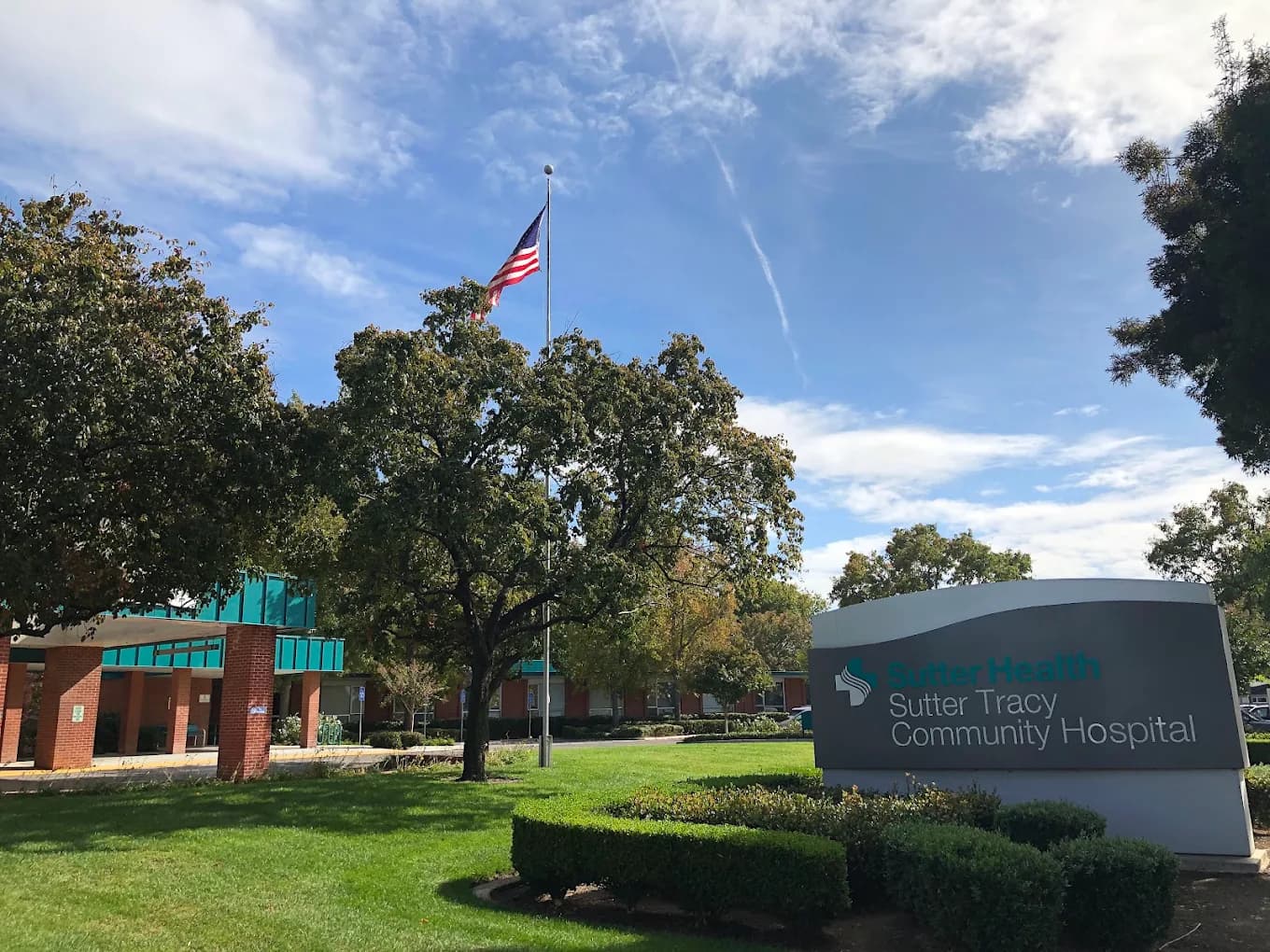
When a child becomes seriously ill, parents expect to find care close to home. But for some residents and officials in Tracy, California, say that the city’s population boom is straining the local health care system, especially for pediatric specialty and hospital services.
The U.S. Census Bureau reports that Tracy's population surpassed 100,000 residents in July 2025, up more than 9% in just five years as the Northern California city rapidly expands. Tracy’s population has been rising these past few years due to relative affordability, access to major employment centers, expanding job opportunities, and continued residential development. While the city has expanded with new neighborhoods, schools, and businesses, some families say that the health care infrastructure has not kept pace. Children who need specialized treatment often get transferred to hospitals outside of Tracy, which forces parents to travel during medical emergencies.
Tracy City Council member Dotty Nygaard shares this concern. With over 35 years of experience as an emergency room nurse before joining the city council, Nygaard says Tracy’s biggest challenge is not access to routine care but access to hospital services.
"My bigger concern is still critical care in emergencies," Nygaard said. Tracy has enough clinics for routine medical care, she said, but the city lacks the specialty and hospital services needed when patients, especially children, face life-threatening situations.
One major gap is pediatric inpatient care. Tracy's emergency department, which includes a 77-bed general acute care hospital, can stabilize children, but Tracy does not have a dedicated pediatric unit for advanced treatment, Nygaard said.
Children are often transported 50 to 100 miles away from Tracy for specialized care, adding emotional and financial stress to families already in crisis. "Your family member deserves to be cared for locally," Nygaard added.
Tracy residents share concerns and challenges
Three Tracy residents surveyed for this story reported delays in receiving medical care, and all mentioned needing to leave Tracy for at least some type of specialized treatment.
One of the residents, a parent, said they had trouble accessing primary care, pediatric care, emergency services, and specialists for themselves and their child. The parent noted a lack of a "proper pediatrics clinic" in Tracy and mentioned that most medical issues require traveling outside the city.
Another resident said they waited three to four weeks for pediatric and obstetric appointments in the last six months and pointed out the absence of neonatal intensive care unit (NICU) services. The third resident reported waiting one to three months for a cardiology appointment.
These responses reflect the concerns Nygaard regularly hears from her constituents.
"I think patients want their illnesses managed locally," Nygaard said. Families continue to feel frustrated with the lack of specialty care, especially when their children need treatment beyond what Tracy's facilities can provide.
Nygaard added that children, seniors, and low-income families are among the groups most affected by challenges in accessing health care. For children, the lack of pediatric specialty units often means they must leave their community during critical times.
Emergency departments have also become increasingly strained, according to Nygaard. In her last years as an emergency nurse, she noted that Tracy's emergency department frequently treated between 50 and 100 patients daily with only 14 emergency care beds. As more residents face difficulties accessing specialists or maintaining health insurance, emergency departments often become the first place people seek care, leading to overcrowding and longer wait times.
City officials push to expand hospitals
Nygaard says that Tracy's growing population makes expanding hospital services more urgent. She mentioned that Sutter Health purchased about 35 acres near Kimball High School around 25 years ago with plans for a larger hospital, but construction has never started.
Recently, city officials renewed discussions with Sutter Health, Nygaard said. She, along with Mayor Dan Arriola, has met with hospital representatives this year to talk about fulfilling the long-standing commitment to expand medical services in Tracy.
Expanding Tracy's hospital system remains one of Nygaard's key priorities as a councilmember. A larger medical center with pediatric specialty services, she noted, would enable more children to receive treatment close to home instead of being transferred miles away.
"My number one goal as a councilperson is to push for a facility that meets all the care needs our community deserves," Nygaard said.
For many parents in Tracy, improved pediatric care is about more than convenience. It means shorter travel times, quicker access to specialized treatment, and the assurance that, during a medical emergency, their children can receive care without leaving the community they call home.